Table of Contents
ToggleLip hit the Overwatch roster in 2025 and immediately shook up the tank meta. This South Korean off-tank brings a playstyle that’s equal parts disruptive and dynamic, rewarding players who understand positioning, timing, and resource management. Whether you’re grinding ranked or studying pro play, learning Lip’s kit inside and out separates competitive players from the rest. We’ll walk you through everything: her abilities, optimal team compositions, positioning strategies, and the mechanical nuances that let her dominate in 2026.
Key Takeaways
- Lip is a mobile off-tank that controls space through shield generation, aerial mobility, and crowd control rather than anchoring the backline like traditional main tanks.
- Master Lip’s optimal range of 8–15 meters, projectile leading mechanics, and shield timing to dominate team fights and separate yourself from competitive players.
- Position Lip off-angle with clear escape routes, track enemy cooldowns religiously, and use her mobility for repositioning rather than panic disengagement.
- Pair Lip with supports like Lucio and Ana, and DPS like Tracer or Widowmaker to create multiplicative team pressure and enable your damage dealers.
- Avoid overcommitting without planned exits, respect hard counters like Zarya and Reaper by maintaining distance, and prioritize enabling teammates over padding eliminations.
- Study pro Lip gameplay and dedicate time to positioning drills in Arcade Mode and Quick Play before grinding ranked, as game sense and resource management separate dominant players from the rest.
Who Is Lip? Understanding Overwatch’s Latest Tank Addition
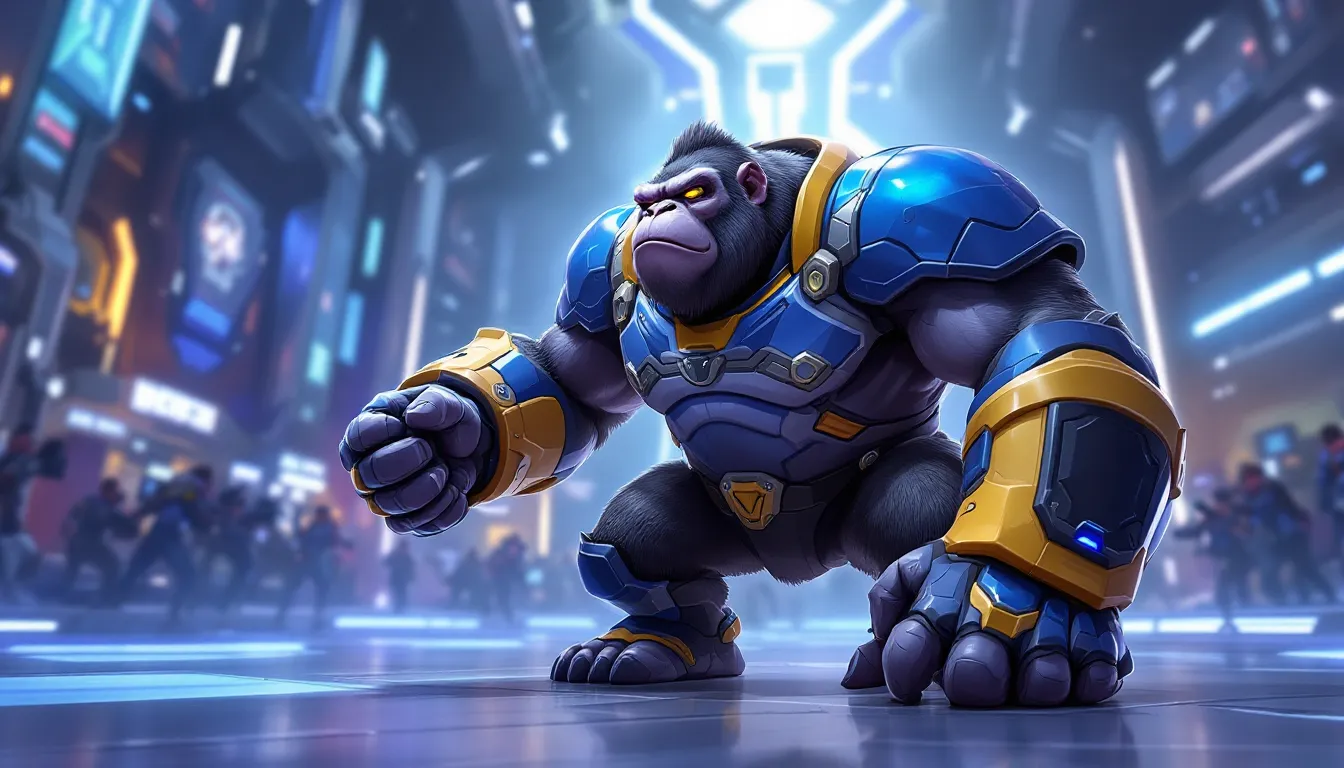
Lip is a mobile off-tank with a kit centered around shield generation, aerial mobility, and crowd control. Unlike Reinhardt or Sigma, she doesn’t anchor the backline, instead, she controls space by diving into fights, disrupting enemy positioning, and protecting allies through smart shield deployment.
Her design philosophy pulls from D.Va and Wrecking Ball: aggressive, evasive, and built for maintaining presence in contested zones. But her shield mechanic and primary fire give her a distinct identity that rewards clever ability usage over raw mechanical aim.
In the current 2026 meta, Lip fills a niche between full engage tanks and utility-focused supports. Teams that master her mechanics gain significant map control advantages, particularly on escort and control maps where positioning fluidity matters most.
Lip’s Abilities Explained: A Complete Breakdown
Primary Fire and Attack Mechanics
Lip’s primary fire launches projectiles that deal moderate damage with travel time and a modest falloff at range. Think of it like a mid-range hitscan-projectile hybrid, not as forgiving as hitscan, but more reliable than pure projectiles. Each shot consumes ammo from her clip, and she needs to reload regularly.
The projectile speed is approximately 40 meters per second, meaning you’ll need to lead moving targets at distance. At close range (under 8 meters), the spread tightens and damage output per shot scales significantly. This encourages aggressive positioning and playmaking rather than staying distant.
Her secondary fire (if present in current patches) or alternative attack depends on the version you’re playing, so check patch notes if the meta shifts. Always verify exact damage numbers and cooldowns against the most recent patch data on the official Overwatch website.
Passive Abilities and Shield System
Lip’s defining mechanic is her Shield Surge passive, which generates personal shields over time and can be triggered manually to absorb incoming damage. This isn’t a traditional shield like Reinhardt’s barrier, it’s personal mitigation that recharges intelligently.
When shields deplete, there’s a cooldown before regeneration begins, so managing shield timing is critical. Expert players bait enemy damage, pull back to let shields regenerate, then re-engage. Careless shield management leaves you vulnerable for long periods.
Her passive also grants movement speed bonuses in certain situations (mechanics vary by patch), allowing her to reposition faster than most tanks. This separates good Lip play from great Lip play: knowing when to use that mobility to escape versus when to maintain pressure.
Ultimate Ability: Strategic Deployment
Lip’s ultimate, Singularity Engine (or similar, depending on current patch), creates a zone of disruption that affects nearby enemies. The exact mechanics, whether it stuns, slows, or repositions foes, determine optimal usage timing and positioning.
Generally, her ultimate is best used when:
- The enemy team is clustered and vulnerable to area effects
- You need to break a defensive position (payload stall, point hold)
- Your team has follow-up damage ready to capitalize on the disruption
Chaining her ultimate with a Zarya bubble, Lucio speed boost, or Widowmaker picks turns it into a winning team fight. Misspaced ultimates waste the resource and leave your team vulnerable on the next engage.
Best Lip Playstyle and Positioning Tips
Tank Role Fundamentals with Lip
Lip is an off-tank, which means your primary job isn’t to block damage for backline but to create space, disrupt enemies, and enable your team’s damage dealers. This requires a different mindset than main tanks.
Think of Lip as a “problem creator.” You jump into enemy formations to:
- Force cooldowns (enemies use abilities to deal with you)
- Isolate priority targets (separate supports or DPS from protection)
- Control high-value map real estate (health pack spawns, corners, elevated ground)
Your positioning should always have an escape plan. Unlike Reinhardt, you can’t facetank forever. Know your shield recharge timer, your mobility cooldowns, and the nearest cover. If you overcommit without an out, you’ll feed ultimate charge to the enemy team.
Managing resources is everything. Lip players who track their cooldowns and play around shield regeneration dominate. Players who spam abilities and ignore positioning get picked off.
Map-Specific Positioning Strategies
Escort Maps (Payload): Position slightly off the payload, not directly on it. This lets you intercept enemies trying to flank or dive your supports. Use elevated terrain and corners to create sightline advantages. On payload maps, controlling the high ground near the objective is worth more than raw damage output.
Control Maps (Point): Early positioning matters enormously. Arrive first to secure off-angle corners or high ground near the point. Lip’s mobility lets her rotate fast, so use that to set up ambush positions before the team fight starts. Overwatch Positioning Drills: Master your fundamentals for this role.
Hybrid/Assault Maps: Play around the choke. Position to punish enemies pushing through (close range = higher damage output). If enemies break the choke, rotate to secondary positions quickly. Lip’s kit rewards defensive setups more than aggressive pushes into established enemy holds.
General rule: Always know where your nearest healthpack and safe retreat path are. Lip thrives when she controls the engagement range and distance. Never let enemies dictate where fights happen.
Team Synergies and Optimal Lip Compositions
Best Hero Pairings and Team Structures
Lip pairs exceptionally well with:
Supports:
- Lucio: Speed boost lets Lip disengage cleanly and rotate to new angles. The synergy is strong because Lucio’s aura naturally enables Lip’s hit-and-run playstyle.
- Ana: Sleep dart protects Lip from aggressive dives, and Ana’s anti-heal grenade amplifies Lip’s damage. This combo is meta in many ranked games.
- Zenyatta: Discord orb on enemies makes Lip’s close-range damage devastating. If you can land shots, Zen + Lip pressure is nearly impossible for enemies to manage.
DPS:
- Tracer or Sombra: Both enable Lip’s aggressive positioning by creating separate threat vectors. Enemies can’t focus Lip if they’re worried about burst damage from Tracer or losing vision to Sombra.
- Widowmaker: Lip creates space: Widow capitalizes with long-range picks. This is a classic off-tank + sniper setup.
- Genji: Both heroes reward aggressive plays and burst damage. Lip disrupts, Genji cleans up.
Main Tank Partners:
- Reinhardt: Lip works around his barrier, protecting him from angles he can’t cover. One creates space: the other anchors it.
- Sigma: Similar dynamic. Sigma holds a line: Lip disrupts flankers and secondary threats.
Roles and Responsibilities in a Coordinated Team
In scrims and competitive play, Lip’s role shifts based on the team’s win condition:
Aggressive Compositions: Lip dives with DPS to overwhelm enemy frontlines quickly. Your job is to scatter enemies and create openings for your teammates’ burst damage. Timing matters, if you jump in too early, you feed: too late, and the fight’s already lost.
Defensive Compositions: Lip plays around corners and cover, punishing enemies for overextending. Hold space without overcommitting. Let enemies make mistakes, then capitalize.
Stall/Maintain Compositions: Lip’s mobility and shields make her excellent at buying time. On payloads, use her kit to delay enemy pushes while your team rotates or regroups.
Communication is non-negotiable. Call out shield cooldowns, positioning changes, and ult timings. Teammates who know your resources can play around them effectively.
Countering Lip: What Heroes Shut Her Down
Primary Counters and How to Beat Them
Zarya is arguably Lip’s hardest counter. Zarya’s bubbles negate Lip’s shield generation, and her close-range beam damage forces Lip out of effective ranges. If you’re playing into Zarya, respect her bubble timing and avoid feeding charge. Play around teammates and don’t duel her solo.
Junkrat poses problems because his splash damage doesn’t require direct hits. Lip can’t shield against area damage effectively, and Junkrat’s mine launches her away before she can close distance. Keep distance, use cover, and try to corner him before engaging.
Reaper shreds Lip at close range. His close-range shotgun burst and lifesteal sustain make him a threat if Lip gets too aggressive. Respect his effective range and use mobility to maintain distance. Force him to chase, then reposition.
Widowmaker can pick Lip at range since Lip’s shield doesn’t stop headshots. Avoid obvious sightlines and play around walls. Never stand still when you suspect a Widow, constant movement and cover usage are essential.
Tracer mirrors Lip’s kit in some ways: high mobility, close-range threat. If Tracer plays well, she sticks to Lip and forces her out of fights. Keep cover nearby and try to secure support help against her harassment.
Defensive Strategies Against Common Matchups
Against these threats, adjust your playstyle:
- Play off-angle: Don’t position where enemies expect Lip to be. Use unconventional corners and heights to maintain surprise.
- Stagger engages: Don’t commit fully: test enemy resources first. If Zarya bubbles, pull back and re-engage when cooldowns reset.
- Use team setup: Stack with teammates. Enemies have to prioritize, and isolation becomes harder. Check The Loadout for current meta DPS pairings that synergize well against Lip’s counters.
- Track cooldowns: Know when enemy ultimates charge. Respect Reaper or Tracer during their ultimate windows, play passive, use shields, and let teammates handle aggressive threats.
- Retreat intelligently: Identify escape routes before engaging. If a matchup’s bad, disengage and rotate to a lane where Lip has advantages.
Advanced Lip Techniques for Competitive Play
Mechanical Tips to Elevate Your Gameplay
Shield Baiting: Expert Lip players bait enemy damage to activate shield regeneration timers intelligently. Walk into enemy sightlines briefly, pull back before taking meaningful damage, and let shields recharge. This maintains pressure while mitigating chip damage, a technique that separates good players from great ones.
Projectile Leading: Lip’s primary fire travels at a fixed speed. Practice leading moving targets at different ranges. Spend time in Overwatch Arcade Mode: Unlock unique game types that let you practice against mobile heroes like Tracer or Genji. Aim training maps are equally valuable.
Mobility Chaining: Use movement cooldowns to reposition between shot cycles. Don’t just mobility away from danger, use it to jockey for better angles. The best Lip players treat mobility as a positioning tool, not just an escape button.
Shield Timing Optimization: Your shields regenerate on a timer. Don’t waste them by activating early in fights where the enemy can immediately re-pressure. Instead, hold them for critical moments: incoming burst damage, team fight pivots, or when you need to survive a key ability (Sleep Dart, Hook, etc.).
Spacing Mastery: Lip’s effective range is roughly 8-15 meters. Keep yourself in this band relative to primary threats. Too close and you’re in danger: too far and your damage falls off. Practice maintaining optimal spacing during team fights.
Game Sense and Decision-Making
Mechanics alone don’t win games. High-level Lip play requires:
Enemy Ultimate Tracking: Always know where enemy ultimates are charged. A Zarya at 90% charge changes your positioning, you can’t face-check corners. A Widowmaker with ultimate charged means avoiding predictable sightlines.
Win Condition Identification: Every fight has a wincon. If your team’s Widow is positioned to pop off, your job is creating space for her to operate. If your Tracer needs picks, pressure enemies away from their support. Adapt your positioning to enable your team’s strategy.
Cooldown Sequencing: Think several moves ahead. If you use shield now, when can you re-engage? If mobility is on cooldown, can you survive the next 8 seconds? Match team resources, engage when cooldowns align with teammates’ availability.
Positioning Adaptation: Mid-fight, read what’s working and what isn’t. If the left flank is collapsing, shift right. If enemies respect your close range too much, take longer range engages to chip them down. Flexibility separates predictable players from dangerous ones. ProSettings tracks pro Lip sensitivity and gear setups, reference these for mechanical consistency at high levels.
Communication of Intent: Call out what you’re doing. “I’m diving left flank” or “falling back for shield recharge” lets teammates position accordingly. Ambiguous positioning gets teammates killed.
Common Lip Mistakes and How to Avoid Them
Overcommitting Without Retreat: The most common Lip mistake. Players dive aggressively without planning their exit. When shield depletes and mobility is on cooldown, they’re stuck. Always know your escape before engaging.
Ignoring Positioning Fundamentals: Some Lip players treat her like a main tank, trying to hold ground indefinitely. Off-tanks need flexibility. Play around cover, maintain distance, and rotate intelligently. Standing in the open for 5 seconds isn’t bravery, it’s feeding.
Wasting Ultimate Too Early: Lip’s ultimate has a long cooldown. Use it to turn losing fights or secure picks, not to press a 70-30 advantage. Patience wins games: early ult usage loses them.
Poor Shield Management: Activating shields reactively or too early wastes their value. Shields should protect you against burst damage or let you maintain engagement during enemy ultimate windows. Proactive shield usage is advanced play.
Tunnel Vision on Targets: Don’t fixate on one enemy. Overwatch is positional, if focusing a target pulls you into a bad location, switch targets. Threat awareness and macro positioning matter more than chasing individual eliminations.
Neglecting Team Setup: Lip’s kit doesn’t output incredible burst damage. She excels when enabling teammates. If your DPS are struggling, supporting them (protecting from flanks, creating space) matters more than padding your elimination stats.
Not Practicing Positioning Drills: Lip’s playstyle punishes sloppy positioning harder than other tanks. Dedicate time to understanding map geometry, sightline control, and optimal spacing. Overwatch Quick Play: The ultimate playground for practicing without ranked anxiety. Use it liberally.
Ignoring Sensitivity and Setup: If your Overwatch Mouse Settings: Unlock your full gaming potential today aren’t optimized, mechanical play suffers. Copy pro settings as a starting point and adjust to your feel. Consistency matters more than exact numbers.
Conclusion
Lip has carved out a distinct niche in the 2026 Overwatch meta. She’s not the easiest tank to master, her kit demands positioning awareness, cooldown tracking, and intelligent decision-making. But for players willing to invest in her mechanics and game sense, she’s incredibly rewarding.
The best Lip players treat her like an off-angle playmaker rather than a frontline anchor. They manage shields proactively, use mobility to reposition rather than panic, and chain their utility with teammates’ abilities. They understand matchups, track cooldowns, and adapt positioning mid-fight.
Start in Overwatch Arcade Mode: Unlock unique fun and rewards with exciting game types to build mechanical comfort. Graduate to Overwatch Quick Play: The ultimate guide to fun, casual gaming action to test strategies without pressure. Once you’re confident, climb ranked with a clear understanding of your role: creating space, enabling teammates, and disrupting enemy plans.
For deeper competitive strategies, Overwatch Esports Guide: Unlock your path to competitive success today by studying pro Lip gameplay. Watch how top players position, manage resources, and chain abilities with team setups. The gap between competent Lip players and dominant ones is game sense and experience. Put in the work, and she’ll carry you through ranks. Reference the Overwatch Archives – Supremegamerslab for additional guides and meta breakdowns as the game evolves. The meta shifts: mastering fundamentals ensures you adapt alongside it.