Table of Contents
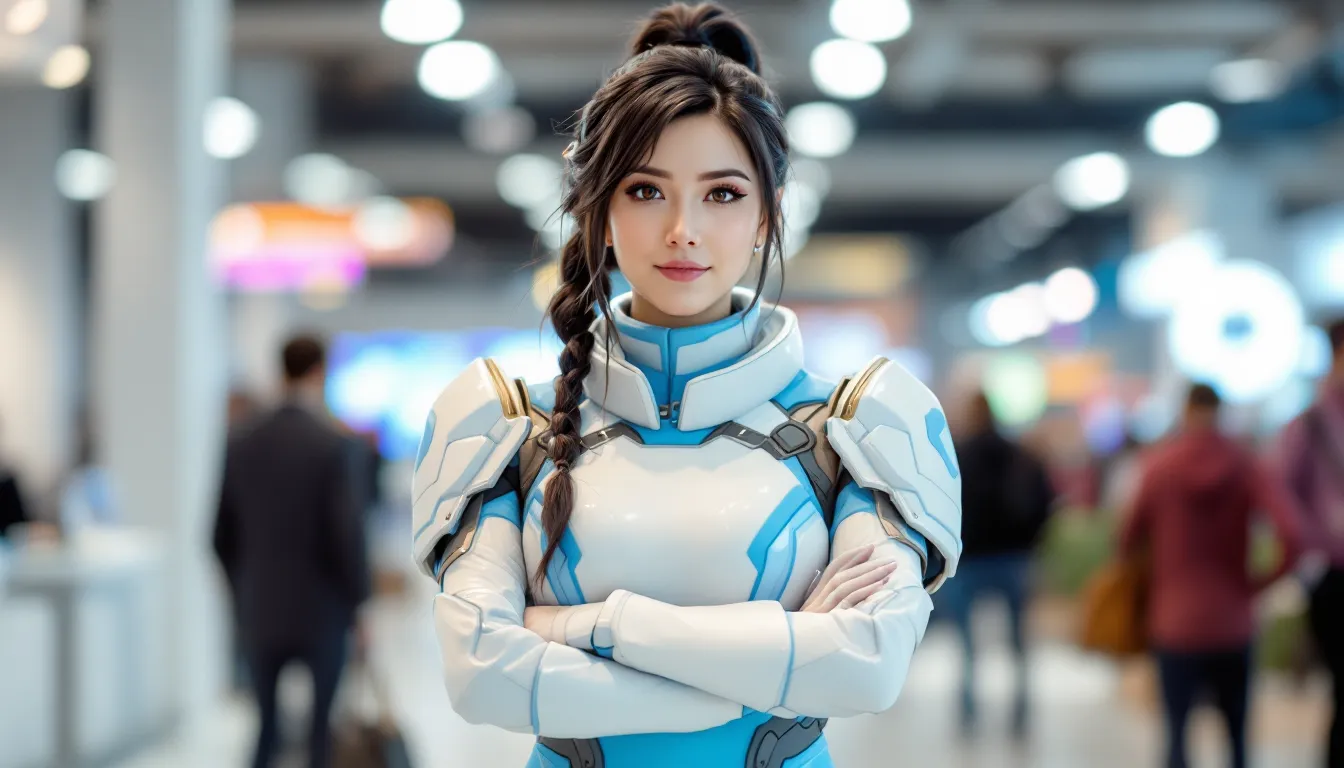
ToggleMei Overwatch cosplay stands out at conventions for a reason: the character’s design is instantly recognizable, visually striking, and packed with mechanical details that make crafting her outfit a rewarding challenge. Whether you’re stepping into the Cryo-Freezer’s boots for the first time or leveling up your second iteration, nailing Mei means balancing armor accuracy, functional props, and that signature ice-powered confidence. This guide walks you through every layer, from the thermal protective suit base to the weathered finish on your Endothermic Blaster, so you can pull off one of Overwatch’s most visually complex heroes with authenticity and pride.
Key Takeaways
- Mei Overwatch cosplay succeeds through balancing three functional zones: a fitted thermal suit base, layered EVA foam armor (shoulders, chest, legs), and a detailed Endothermic Blaster prop that weighs under 5 pounds for comfortable posing.
- Choose breathable, durable fabrics like athletic mesh or minky for your base suit since you’ll wear it for hours at conventions, and always mock-up pieces in cheap muslin first to avoid expensive mistakes.
- Mei’s makeup should enhance natural features with minimal drama—matte eyeshadow in the crease, precise dark liner, and a long dark-colored wig with soft waves create her signature determined look.
- Build armor with intentional weathering and detailing: light dry-brushing for wear, panel washes for depth, and reinforced attachment points prevent armor from shifting or separating during the event.
- A realistic mid-range Mei Overwatch cosplay costs $175–$310 by sourcing fabric remnants, buying quality where it matters (wig, adhesives, armor materials), and outsourcing labor if sewing isn’t your strength.
- Move deliberately at conventions with planted feet and squared shoulders to embody Mei’s grounded engineer persona, and bring comfort items like hair clips and blister pads to sustain your performance throughout the day.
Why Mei Is One of the Most Popular Overwatch Cosplay Choices
Mei pulls cosplayers in for multiple reasons, and understanding the appeal helps you commit to the craft with clarity.
First, her silhouette is unmistakable. The oversized puffy jacket, the rounded shoulders, and the compact proportions make Mei recognizable from across a convention floor. Unlike characters with flowing capes or abstract designs, Mei’s look translates well to three-dimensional space without losing impact.
Second, the armor hierarchy reads cleanly. You’ve got the soft fabric base (the thermal suit), the hard armor plating (shoulders and chest), and functional accessories (weapon, backpack). This mix lets cosplayers play to different skill levels, beginners can focus on the suit: advanced builders can sink effort into LED-embedded armor or motorized prop details.
Third, Mei’s character design leans into mechanical realism. She’s not a fantasy character draped in ambiguous fabrics. Every piece of her outfit serves a purpose: insulation, mobility, firepower. That engineering-forward approach appeals to cosplayers who enjoy problem-solving their builds, not just sewing costumes. When you understand why each element exists on the character, your cosplay gains credibility and depth.
Finally, Mei occupies a middle ground in build complexity. She’s not simple (like a character in a hoodie and jeans), but she’s not impossibly elaborate either (like a character with 200 armor pieces and LED everywhere). For most dedicated cosplayers, she represents an achievable stretch goal, challenging enough to be proud of, doable enough to finish before convention season.
Essential Armor Pieces and Materials for Mei’s Iconic Outfit
Mei’s armor structure breaks down into three functional zones: the base suit, the torso plating, and the extremities. Getting the materials and construction right for each sets up everything else.
Constructing the Thermal Protective Suit Base
The foundation of Mei’s look is the white/pale blue thermal protective suit, a snug-fitting bodysuit that serves as both costume base and structural anchor for armor pieces. Most builders use stretch fleece, minky, or athletic mesh for this layer.
Material selection matters here: Stretch fleece offers warmth and a soft appearance (matches Mei’s puffy aesthetic), but can be harder to fit precisely. Minky is plushy and visually accurate but traps heat during all-day wear. Athletic mesh (like moisture-wicking nylon spandex) offers comfort and gives a slightly more technical look while remaining flexible for posing.
Construct the suit as a two-piece: a fitted tank or sports bra top and high-waisted leggings. This lets you layer armor over the torso without bunching at the waist. Add internal darts or strategic seaming to match Mei’s contoured silhouette, she doesn’t wear a baggy suit, so accurate fit matters.
For the pale blue accents Mei sports on her suit (particularly around the torso and inner arms), use a contrasting fabric panel or appliqué. Hand-stitching or a clean topstitch along panel edges sells the technical look and prevents that “costume store” feeling.
Building the Shoulder Armor and Chest Plate
Mei’s shoulders are iconic: bulky, rounded, and clearly mechanical. These are typically constructed from EVA foam (thermal-expanded polyethylene), the industry standard for lightweight, detailed armor.
Here’s the practical breakdown:
- Pattern and foam layer: Draw or print full-size reference images and use them to create a foam template. Cut EVA foam sheets (typically 1/2″ to 3/4″ thick) using a heated wire cutter for clean edges. Mei’s shoulder armor consists of two overlapping plates per shoulder, so build each section separately then attach them in layers.
- Detailing: Use a heat gun to add subtle curves and definition lines. Score the foam (cut partially through without separating) to create panel lines. These lines break up large flat surfaces and add that engineered, technical aesthetic.
- Chest plate: Mei’s chest features a large central plate with smaller accents. Again, EVA foam works well. Build this as a modular piece that sits over the base suit: armor should move with you, not restrict you.
- Finishing: Prime foam with a flexible coating (like PlastiDip or contact cement + fabric), then paint. Mei’s armor is primarily white with blue accents and dark mechanical details. Use matte paint to avoid a plastic shine, weathering with dry-brush techniques (lightly dragging a dry brush with dark paint across surfaces) sells the wear and use.
Creating Gloves, Boots, and Leg Armor
Mei’s hands are heavily gloved, oversized, practical mittens that hint at cryogenic protection. Source or modify white fleece mittens or craft them from minky fabric layered over a base pair of gloves. Add cuff details in contrasting blue fabric.
Boots present a different challenge. Mei wears insulated, tactical-looking footwear. Options include:
- Modifying existing boots: White or pale blue athletic boots or work boots serve as a base. Add foam armor plating to the shin and calf using the same EVA technique as the torso armor. Secure with contact cement or flexible fabric glue.
- Custom boots: More ambitious builders craft entire boots from foam, but this is time-intensive. Only pursue this route if you’re comfortable with foam sealing, painting, and structural integrity across a weight-bearing piece.
Leg armor (shin guards, knee plates, and thigh panels) follows the same EVA foam construction as shoulder and chest pieces. Layer panels at slight angles so they don’t sit flat: Mei’s armor has visual depth and dimension. This layering also prevents a “cardboard cutout” appearance when photographed.
Prop Weapons and Accessories: The Endothermic Blaster and More
The Endothermic Blaster is Mei’s signature tool, and getting it right elevates the entire cosplay from “good suit” to “complete character.”
Crafting a Functional or Display Endothermic Blaster
You have two viable paths: a lightweight display prop or a functional foam/nerf conversion.
Display prop approach:
Build the blaster from foam and resin. Start with EVA foam structure, roughly cylindrical body with a vented barrel and a boxy receiver section. The blaster features heavy detailing: cooling fins, a large cryogenic chamber (the rounded blue section), and mechanical components.
Use blue and white paint as primary colors with gunmetal and dark gray for mechanical details. The blaster should feel industrial, not sleek. Add dry-brushing, panel washes (thinned paint applied to recesses to add depth), and subtle rust or weathering.
Functional conversion approach:
If you want to pose with your blaster slung over your shoulder or held in “firing” pose without strain, convert a foam base gun or Nerf platform. A Nerf Stryfe or Zombie Strike blaster can be modified with foam armor plating, custom paint, and detail work. This method gives you a lighter prop that won’t tire out your arm during a long convention day.
Realistic weight matters for posing. If your blaster is too heavy, you’ll drop your arm and break character in photos. A well-balanced display blaster should weigh under 5 pounds: functional nerf conversions typically run 2-3 pounds.
Adding Details: Accessories, Patches, and Weathering
Minor accessories elevate authenticity:
- Backpack: Mei carries a visible backpack (likely cryogenic reserves). Construct this from foam as a blocky, mechanical unit. Paint it to match the blaster’s color scheme and add detailing to suggest internal systems.
- Patches and insignia: Mei’s suit features faint Overwatch patches and technical markings. Use fabric paint or printed fabric patches (iron-on or hand-stitched) to add these details. Keep them subtle, they shouldn’t dominate the costume but should reward close inspection.
- Weathering: Real functional gear shows wear. Use dry-brushing with dark gray or black to suggest scuffs, dust, and mechanical wear on armor. Avoid overdoing this: Mei’s gear is maintained, not battle-damaged. Light weathering looks more authentic than heavy grime.
- Piping and trim: Where armor meets fabric, add binding tape or fabric trim. This hides rough edges and adds a professional, finished look. Use contrasting blue or dark gray to break up white expanses.
Makeup, Wig Styling, and Facial Features
Mei’s face is one of her most recognizable features, youthful, determined, and distinctly East Asian. Getting makeup and wig right bridges the gap between “good costume” and “convincing character.”
Achieving Mei’s Signature Look with Makeup
Mei’s makeup is relatively minimal and natural, which actually makes it trickier to execute well. The goal is to enhance without looking heavy-handed.
Skin tone and base:
Start with a color-matched foundation. Mei has a warm, slightly olive undertone. Use a full-coverage foundation to even skin tone, you want a clear canvas for feature definition.
Eyes:
This is where you sell the character. Mei’s eyes are monolid-prominent, with a defined crease that modern makeup techniques can enhance. Use a matte cool brown or taupe eyeshadow in the crease to add dimension. Line the upper lash line with a dark brown or black liner, keeping the line relatively thin and precise (Mei doesn’t have heavy theatrical makeup). Apply black or dark brown mascara to upper and lower lashes. The goal is alert, sharp eyes, think determined engineer, not dramatic character.
Brows:
Mei’s brows are dark, fairly straight, and full. If your natural brows are lighter or thin, use a brow pencil or powder in a dark brown shade to define them. Fill in gaps but maintain a natural shape.
Cheeks and lips:
Use a cream or powder blush in a warm peachy or dusty rose tone. Apply to the apples of the cheeks, blending upward toward temples. Avoid excessive blush, Mei looks healthy and engaged, not flushed. For lips, use a tinted lip balm or light berry lip tint. Mei doesn’t wear bold lipstick: her lips should look natural and match her overall understated makeup approach.
Setting:
Use a setting spray designed for long wear. You’ll be at a convention in this makeup for hours: it needs to hold without looking cakey by day’s end.
Selecting and Styling the Perfect Wig
Mei’s hair is long, dark, and center-parted with a slight wave or curl. Wig choice is critical, a cheap, stiff wig will undermine an otherwise polished cosplay.
Wig selection criteria:
- Length: Look for wigs 28-32 inches long. Mei’s hair reaches mid-back. Longer wigs give you room to style without the wig looking stringy at the ends.
- Color: Jet black or very dark brown. Avoid overly blue-toned blacks: Mei’s hair is a natural black.
- Fiber: Heat-resistant synthetic fiber (like Kanekalon) allows you to lightly heat-style with a blow dryer. Alternatively, human hair wigs offer ultimate styling flexibility but cost more and require more maintenance.
- Density and texture: Choose a wig with good density (not sparse or thin). Mei’s hair has natural wave and body, so pick a wig with a slightly textured, wavy finish rather than perfectly straight fibers.
Styling steps:
- Wig cap: Wear a wig cap (nude or black nylon mesh) to secure your natural hair and provide a base. This prevents slipping and extends wig longevity.
- Center part: Use a fine-tooth comb to create a clean center part from hairline to crown. This is Mei’s signature look.
- Wave and curl: If your wig is synthetic, use a cool blow dryer (not hot, which can damage fibers) to gently wave the hair. If it’s heat-resistant, you can use warm (not hot) styling with a curling iron or waves. The goal is soft, natural waves, not tight curls or strict waves.
- Styling products: Use light hairspray or wig-specific spray to set the style. Avoid heavy gels or pomades, which make synthetic fiber look greasy.
- Side-swept portions: Some styling references show Mei with slightly side-swept bangs or face-framing pieces. If your wig doesn’t naturally fall this way, use bobby pins (color-matched to the wig) to gently pin sections back or position them.
Wig maintenance: Bring a small brush and hairspray to the convention. Wigs can shift or tangle during the day. Quick touch-ups keep you photo-ready.
Fabric Selection, Dyeing, and Pattern Assembly Techniques
Behind every convincing Mei cosplay is intentional fabric work. The wrong material choice can make your costume look cheap: the right one elevates everything.
Choosing the Right Base Fabrics for Comfort and Durability
Your thermal suit base will spend hours against your skin, so comfort and durability matter equally.
Stretch fleece:
- Pros: Warm, soft, visually reads as “puffy insulation,” available in quality whites and pale blues.
- Cons: Can pill with wear, retains heat during long days, shows wrinkles if packed or sat on.
- Best for: Indoor conventions or cooler outdoor events where warmth is welcome.
Minky (fleece-backed polyester knit):
- Pros: Plush, durable, maintains appearance through multiple wears, great stretch, available in premium brands with excellent color retention.
- Cons: Hot to wear for extended periods, more expensive than basic fleece.
- Best for: Builders who prioritize longevity and are okay with heat trade-offs.
Athletic mesh or nylon spandex (e.g., 4-way stretch athletic mesh):
- Pros: Lightweight, breathable, technical appearance, incredibly comfortable, moves with you.
- Cons: Shows every seam and imperfection, requires precise sewing and fitting.
- Best for: Builders who value comfort and don’t mind the construction challenge.
Armor attachment fabrics:
For the blue accents and panel details on the suit, use coordinating stretch knits. If your base is fleece, match it in texture (a blue fleece stripe looks better than shiny blue satin). Consistency in fabric finish makes the costume cohesive.
Sewing, Fitting, and Finishing Your Cosplay Garment
Precision matters here. A poorly fitting suit undermines perfect armor.
Patterning:
Use a fitted base pattern (look for “bodysuit” or “athletic bodysuit” patterns from reputable sources like Simplicity, McCalls, or independent designers on Etsy). Draft or print it at your specific measurements. Mei’s suit should be snug but not restrictive, you need to move and pose without tearing seams or restricting circulation.
Mock-up and fitting:
Sew a test version in cheap muslin or old t-shirt fabric first. Fit this mock-up, mark adjustments, and transfer corrections back to your pattern. This step saves you from wasting expensive fabric on bad proportions.
Seaming and durability:
Use a ballpoint needle (for knits) on your sewing machine. Seams should be strong: use a stretch stitch or serger for flexible seams that won’t pop. Reinforce high-stress areas (armpits, crotch seam, shoulder seams where armor attaches) with additional stitching or by using wider seam allowances.
Armor attachment points:
Before attaching armor, add reinforcement patches (small squares of fabric or interfacing) on the inside of your suit at anchor points. Armor pieces will attach to these patches via: hand-stitching, contact cement (for foam to fabric), or velcro strips (if you want removable armor for storage or washing). Velcro is popular because it’s removable and adjustable, but fabric glue creates a more permanent, cleaner finish.
Finishing seams and hems:
Use a serger to finish seam edges (prevents fraying and looks professional), or use a rolled hem foot if you don’t own a serger. For hems on the suit legs, use a narrow, stretchy blind hem stitch (most modern sewing machines have this). This creates an invisible seam that flexes with movement.
Quality check:
Before you wear it to a convention, put on the fully assembled cosplay and move through your intended poses. Sit, crouch, raise your arms, turn side-to-side. Seams should not pull. Armor should not shift or dig in. If something binds or feels wrong, take time to adjust now rather than suffering through a convention.
Posing, Movement, and Performance at Conventions
A polished Mei cosplay at rest is one thing. A Mei that moves convincingly is unforgettable. This is where character knowledge and physical confidence matter.
Understanding Mei’s physical presence:
Mei is grounded, determined, and purposeful. She’s not graceful or flowing: she’s sturdy and mechanical. When posing for photos, think “engineer assessing a situation,” not “elegant hero.” Feet should be planted. Shoulders should be squared. When holding the blaster, cradle it like a tool you know how to use, not like you’re playing with a toy.
Signature poses:
- The blaster ready pose: Stand with feet shoulder-width apart, blaster cradled in both hands at chest height, arms bent at roughly 90 degrees. This reads as “prepared to engage.”
- The confident stance: Stand with one leg forward, weight slightly back, shoulders relaxed but alert. Hand the blaster over one shoulder or rest it against one hip. This is conversational and approachable.
- The freeze gesture: If you want to reference Mei’s ice freeze ability, extend one arm with fingers slightly splayed (as if casting), eyes focused downward. This reads immediately to Overwatch fans and photographs well.
Movement at conventions:
Convention halls are crowded and hectic. Move deliberately. Walk with purpose, not rushed. When stopped by photographers or fans, plant yourself in a stable pose. Make eye contact. If someone asks you to demonstrate a pose or ability, do it with confidence, you’ve rehearsed this.
Dealing with practical limitations:
Your blaster is heavy. Your armor restricts some movement. Your wig might itch. These are reality checks. Bring small comfort items: hair clips to adjust wig fit, blister pads for your feet, a small towel to dab sweat without smudging makeup. Take breaks in quieter areas of the convention to rest. You can’t perform as Mei if you’re exhausted.
Character voice and interaction:
You don’t need to affect an accent or voice if you’re not comfortable. But adopt Mei’s mannerisms in conversation: speak with quiet confidence, listen actively, and show genuine interest when fans engage with you. Mei is determined but not aggressive, intelligent but approachable. Match that tone.
Common Mistakes and How to Avoid Them
Learning from others’ missteps can save you time and materials.
Mistake: Oversized armor
Many first-time builders make armor too bulky, thinking “bigger = more impressive.” Mei’s armor is chunky, yes, but it should scale to her body. Reference official art and in-game screenshots to measure proportions. Use your own shoulders and chest as a baseline. Armor that looks oversized will shift awkwardly when you move and photograph poorly.
Mistake: Ignoring fabric weight and seams
Choosing flimsy, low-quality base fabrics or weak seams leads to costumes that fall apart mid-convention. Invest in decent fabric and take seaming seriously. A $30 outfit that holds up for years beats a $15 costume that tears on day two.
Mistake: Over-weathering and paint
Some builders age their gear excessively, heavy rust, deep grime, chipped paint everywhere. Mei’s equipment is functional and maintained, not battle-worn. Light weathering looks more authentic. Test your weathering approach on a scrap piece of foam before committing to visible parts.
Mistake: Neglecting wig care
Cheap wigs or wigs purchased last-minute look cheap because they are. Budget for a quality wig and plan styling time weeks in advance. A good wig costs $30-60: it’s one of your most visible pieces.
Mistake: Poor attachment of armor to base suit
If armor is glued carelessly or stitched with weak thread, it will shift, sag, or separate during the day. Use reinforcement patches, test attachments before committing, and consider velcro for high-mobility pieces.
Mistake: Uncomfortable fit
A costume that pinches, rides up, or restricts breathing is unwearable. Prioritize fit over accuracy every time. A slightly loose gauntlet is better than one that cuts off circulation. Test the full costume in all intended movements before convention day.
Mistake: Skipping the prototype phase
Jumping straight to final fabrics and materials wastes money when you make mistakes. Always mock up key pieces in cheap fabric first. A $20 test run prevents a $100 wasted investment.
Budget Considerations and Cost-Saving Alternatives
A high-quality Mei cosplay doesn’t require a four-figure budget, but it does require smart choices.
Budget breakdown (realistic mid-range build):
- Base fabrics (fleece, minky, mesh): $40-80
- EVA foam for armor: $30-50
- Paint, primer, sealant: $25-40
- Wig: $35-60
- Blaster foam and paint: $25-50
- Adhesives, thread, notions: $20-30
- Total: approximately $175-310
This assumes you have basic sewing supplies and a sewing machine. If you don’t, factor in equipment costs.
Cost-saving strategies:
- Fabric sourcing: Buy remnants from local fabric stores (often 30-50% off). Check online fabric clearance sections. Use color-matched fabrics rather than exact matches, saves money and often looks just as good.
- Armor construction: EVA foam is affordable, but you can substitute with papier-mâché, thermoplastics (like Worbla), or even insulation foam for non-detail areas. Each has trade-offs in durability and appearance, but can reduce foam costs by 40-50%.
- Paint and finishing: Buy paint in bulk or during sales. Mix custom blues and whites rather than buying 10 specialty colors. Test finishes on scrap foam to avoid wasted paint.
- Wig alternatives: If you’re skilled with styling, a mid-range synthetic wig ($30-40) styled well beats a cheap wig every time. Avoid the cheapest options: the quality jump from $15 to $35 is dramatic.
- Props and accessories: 3D-print minor details if you have access to a printer or community maker space. Hand-sculpt details from polymer clay for small accents. Many conventions have maker communities offering free or cheap access to tools.
- Labor trade-off: If you don’t sew well, outsource the base suit construction to a seamstress (typically $50-150 depending on complexity) rather than spending weeks on a poorly fitting DIY version. Sometimes paying for quality labor saves overall frustration.
Avoiding budget traps:
- Don’t cheap out on armor attachment. Weak glue or thread leads to in-convention repairs, which is worse than spending an extra $5 on quality adhesive upfront.
- Don’t buy multiple wigs hoping one fits. Get measurements, research wig caps, and buy once.
- Don’t over-order fabric “just in case.” Measure pattern pieces, add 10% for shrinkage and error, and order only that amount.
- Don’t buy every specialty tool you see on YouTube. Basic sewing machine, heat gun, and contact cement cover 90% of cosplay construction.
Reusing and upgrading:
Build your first Mei with the assumption you’ll wear her multiple times. Durable base fabrics, solid seaming, and well-attached armor mean your cosplay will hold up for years. Future upgrades (new wig styling, repainted details, swapped-out armor) are cheaper than rebuilding from scratch.
Meanwhile, competitive gamers looking to deepen their Overwatch knowledge can explore the Overwatch Esports Guide: Unlock Your Path to Competitive Success Today to understand the game’s mechanics and strategy behind the characters you’re portraying.
Conclusion
Building a Mei Overwatch cosplay is a project that demands specificity, patience, and genuine engagement with the character. From the layered armor construction and prop weaponry to the makeup and wig styling, every element contributes to a cohesive, convincing portrayal.
The payoff is tangible: a costume that photographs beautifully, moves convincingly, and demonstrates your knowledge of both craftsmanship and character. Mei fans will recognize you instantly. Photographers will want to shoot you. And you’ll have the satisfaction of wearing something you built with intention and care.
Start with a clear plan, invest in quality where it matters (fabrics, wig, armor materials), test early and often, and don’t skip the details. Gaming culture, as covered by outlets like Kotaku, celebrates the dedication that cosplayers bring to their craft. Your Mei build is part of that tradition, a tribute to a character designed with mechanical precision and a response to that design philosophy through your own hands and creativity.
Whether this is your first ambitious cosplay or your fifth, Mei rewards builders who respect the engineering, the character, and the craft. The result is a cosplay that’ll turn heads at every convention.