Table of Contents
ToggleThe Overwatch League is about to kick off its 2026 season, and if you’re serious about following competitive Overwatch, knowing the schedule is non-negotiable. Whether you’re watching for your favorite team, tracking the meta evolution through live matches, or planning your viewing around the Overwatch Champions Series and Overwatch World Cup schedule, having the full breakdown front and center saves you from scrambling for match times and missing critical games. This guide walks you through everything the 2026 OWL season has to offer, from regular season matchups to playoff dates, special events, and how to actually access the schedule across all platforms. Let’s immerse so you’re ready when the first match goes live.
Key Takeaways
- The Overwatch League schedule is essential for serious fans and aspiring competitive players, as it determines when teams perform under pressure and how strategic narratives develop throughout the season.
- The 2026 OWL regular season runs across multiple stages from spring through early summer with matches typically on Thursdays through Sundays, followed by playoffs in mid to late summer with best-of-three and best-of-five formats.
- Access the complete Overwatch League schedule through overwatchleague.com, YouTube, Twitch, the official mobile app, or ESPN’s sports app, with timezone conversions and live standings available across all platforms.
- Strategic viewing requires prioritizing rivalry games, top-seed matchups, and international tournaments like the Overwatch Champions Series and World Cup schedule rather than attempting to watch every match.
- Set calendar reminders, enable mobile app notifications, follow official OWL accounts on social media, and check the schedule morning-of to stay informed about match times and any last-minute adjustments.
- Understanding hero pool rotations and patch updates on the Overwatch League schedule helps you anticipate why team compositions change and predict how the competitive meta will evolve week to week.
What Is the Overwatch League and Why Does the Schedule Matter?
The Overwatch League is the official esports competitive ecosystem for Blizzard’s team-based hero shooter. It’s where pro players from around the world compete at the highest level, pushing the game’s mechanics, teamwork, and strategic depth to limits casual players rarely see. OWL matches are the proving ground for new patches, hero picks, and strategies that eventually trickle down to ranked play.
The schedule matters because it’s the backbone of the entire competitive calendar. When matches are played affects which heroes are viable (thanks to hero pools and patches), which teams perform under pressure, and how storylines develop across the season. Knowing when games happen also means you won’t miss crucial moments, a team’s clutch playoff run, a rookie popping off in their first stage, or a underdog upset that reshapes playoff seeding.
For casual viewers, the schedule is just convenience. For serious fans and aspiring competitive players, it’s strategic. You’re studying how the Overwatch Esports Guide: Unlock translates league-level play into ranked improvement. You’re timing your practice sessions around major tournaments. The schedule is your roadmap to understanding competitive Overwatch.
Understanding the 2026 Season Format
The 2026 OWL season follows a structured format designed to balance competitive integrity with viewer accessibility. Teams play through multiple stages, accumulate season points, and fight for playoff seeding. Let’s break down how it all fits together.
Regular Season Structure and Timeline
The regular season runs across multiple stages, typically spanning from spring through early summer. Each stage consists of scheduled matches where every team plays a set number of games. The format in 2026 uses a balanced schedule where teams face off against each other, and victories earn season points that accumulate toward playoff standing.
Matches during the regular season occur on fixed days, typically Thursdays through Sundays depending on regional broadcast windows. Teams are grouped strategically to minimize timezone issues and maximize simultaneous viewer engagement. The regular season is your chance to see how teams adapt throughout the year, how rookies develop, and which squads are genuinely contenders versus which ones are rebuilding.
Stage length typically runs 3-4 weeks per stage, with multiple stages throughout the season. This means there’s always momentum building toward something, another stage finals event or the transition into playoff positioning. The beauty of this format is consistency: you know when to tune in, and you can actually follow every team’s journey instead of random one-off matches.
Playoff Format and Key Dates
Playoffs are where narratives collide with stakes. The 2026 playoff format seeds teams based on their regular season point totals, with the top seeds earning byes into later rounds. This incentivizes excellence during the regular season, a team that coasts can drop from playoff contention in a hurry.
The playoff bracket typically features quarterfinals, semifinals, and finals. Quarterfinals might be single-elimination or best-of-three depending on seeding, while semifinals and finals are best-of-three or best-of-five. This ensures that the best teams have time to adapt mid-series while still preventing total blowouts from feeling inevitable.
Key dates to mark on your calendar: regular season playoffs (usually mid-summer) and the grand finals (late summer). Playoff matches are usually more frequent, sometimes multiple per day during bracketed play, because it’s all happening in compressed windows. If you want to catch every elimination match, you’ll need flexibility. The Overwatch Archives – Supremegamerslab regularly updates with standings and playoff projections, which helps you understand who’s fighting for what.
How to Find and Access the Full OWL Schedule
Finding the schedule sounds simple, but knowing where to actually look and setting up notifications so you never miss a match is the difference between casually watching and staying plugged into the competitive scene.
Official Resources and Viewing Platforms
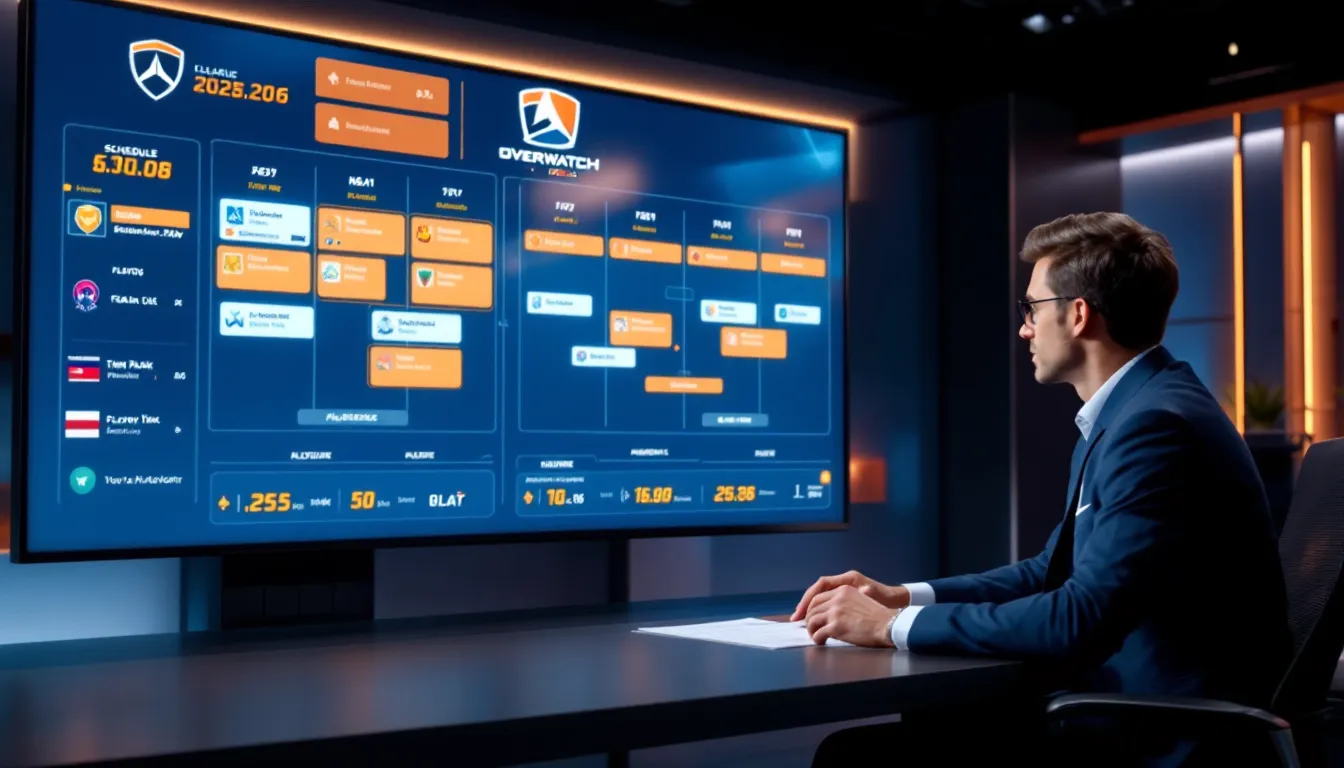
The official Overwatch League website (overwatchleague.com) is your primary source for the complete schedule. Every match, time, and playoff date is listed there with timezone conversions, team rosters, and live standings. The site also breaks down stage schedules separately, so you can focus on specific weeks if needed.
Matches are broadcast live on multiple platforms. YouTube hosts the official OWL channel with free HD streams, while Twitch carries streams in various regional channels (English, Spanish, Portuguese, etc.). Both platforms run simultaneous broadcasts, so you can choose based on your preference and chat community vibe. Select teams also stream their own perspective feeds, which is valuable if you want to focus on one roster’s gameplay.
For international viewers, regional broadcast partners exist in different territories, watch on your local platform to support regional esports infrastructure and avoid geo-blocking headaches. OWL typically stagger match times across regions to ensure someone’s getting a prime-time slot somewhere.
If you’re researching tournament schedules beyond OWL, Dexerto covers OWL news and schedule changes in real-time, so bookmarking their esports section keeps you informed on any shifts or updates.
Mobile Apps and Notifications
The Overwatch League mobile app (available on iOS and Android) is underrated for staying updated. You can set notifications for your favorite teams, enabling push alerts 15 minutes before matches go live. You can also customize which teams you follow, so your notification feed isn’t spam, just the matchups you actually care about.
Alternatively, ESPN’s sports app includes OWL schedules and standings if you prefer centralized sports coverage. You can toggle OWL notifications within the app to match your viewing habits.
Manually checking Twitter/X is also viable: official OWL accounts tweet match schedules, results, and schedule changes immediately. If you follow team accounts directly, you’ll catch announcements before they’re widely publicized, useful for catching any last-minute adjustments.
Breaking Down Match Types and Special Events
Not all OWL matches feel the same. Understanding the different types of events and how they impact the competitive landscape helps you prioritize what to watch and why certain games carry more weight.
Regular Season Matches vs. Tournament Events
Regular season matches are straightforward: two teams, standard rules, points toward season standings. These are your bread and butter for consistent viewing. They’re where you see teams iterating on strategies week to week, experimenting with hero compositions, and building chemistry heading into playoffs.
Stage playoffs are compressed tournament brackets held at midpoints during the season. They’re not part of the base regular season: they’re bonus events that award additional season points and momentum. Winning a stage playoff matters because it’s a psychological edge and it adds points toward playoff seeding. These typically run over 2-3 days and feature more matches per day than regular season play.
International tournaments like the Overwatch Champions Series and Overwatch World Cup schedule run separately from OWL, though they may overlap in timing. The Overwatch Champions Series is where international teams beyond OWL franchises compete, so you see different lineups, regions, and strategies. The World Cup is the pinnacle, national teams clash regardless of OWL affiliation. These are tier-1 events that reshape the competitive narrative because you see how OWL players perform on the world stage against non-franchise competition.
The distinction matters: regular OWL matches are franchise-based (team loyalty), while international tournaments shift to individual and national representation. Both shape the meta, but they do it differently.
Hero Pools, Patch Updates, and Schedule Adjustments
Hero pools are a mechanic where certain heroes are banned or restricted during specific periods. A hero pool might disable Tracer or Widowmaker for two weeks to force teams to develop alternate strategies. These rotations happen on scheduled cycles, so knowing when pools shift helps you understand why team compositions change radically week to week.
Patch updates during the season can alter hero balance, ability cooldowns, or ultimate economy, essentially tweaking the entire competitive foundation. Blizzard typically patches around stage transitions to minimize mid-stage chaos, but emergency patches happen if a hero is egregiously broken. When a major patch drops, the first matches after it are chaotic and unpredictable because teams haven’t fully adapted.
Schedule adjustments are rare but happen. If there’s a critical bug, server issue, or unforeseen circumstance, matches get rescheduled. OWL announcements on social media alert viewers immediately, but checking the official website the morning of a match is always smart to confirm times, especially if you’re watching across timezones.
The Overwatch Quick Play: The community often mirrors competitive patches, so watching OWL right after a patch drop shows you how the changes play out at the highest level before they settle into your ranked games.
Team Schedules: Which Matchups Should You Watch?
With potentially dozens of matches per stage, you can’t watch everything if you have a life outside gaming. Strategic viewing means prioritizing matchups that matter most to your interests.
Rivalry Games and Must-Watch Fixtures
Rivalry games are the narrative gold. Teams with history, whether it’s geographic beef, playoff rematches, or personnel drama, bring intensity that regular matches can’t replicate. Classic rivalries in OWL include teams from the same region or squads with ex-teammates on opposite rosters. These games hit different because players are motivated beyond just season points: there’s pride and unfinished business.
Must-watch fixtures typically involve:
- Top-seeded teams facing mid-tier contenders: These are prove-it matches where underdogs either upset narratives or confirm hierarchy.
- Finals rematches: If two teams met in playoffs last year, their regular season encounter carries extra weight.
- Rivalry rematches: Any matchup between teams with actual competitive tension.
- International star showdowns: When players traded between regions face their old teams.
If you’re following the Overwatch Champions Series or World Cup schedule alongside OWL, watching how international competitors perform in cross-regional showdowns is especially valuable. LoL Esports has mastered the art of promoting must-watch matchups, and OWL broadcasts do similar storytelling, they’ll highlight rivalry context before big games.
Balancing Your Time: Streaming and Timezone Considerations
OWL matches happen across multiple regions simultaneously. Pacific timezone matches air early afternoon (1-4 PM PT), Atlantic matches air evenings (6-9 PM ET), and Asia-Pacific matches run either very early mornings or late nights depending on where you live. If you’re in Europe, good luck hitting prime times for all regions.
The practical solution: record matches you can’t catch live using YouTube’s or Twitch’s VOD features, then watch them spoiler-free within 24 hours. This maintains freshness without demanding real-time availability. Most viewers actually watch VODs, it’s far more flexible.
Alternatively, pick one region to follow closely and dip into the others’ highlights when time allows. You’ll catch the stunning plays, upsets, and meta shifts without committing to every series live. The Dot Esports coverage includes match recaps, so you can catch breakdowns of games you missed.
For your favorite team specifically, planning your week around their matches makes sense. OWL schedules are published far in advance, so you can block calendar time and commit to that commitment rather than trying to catch every game.
Pro Tips for Staying Updated on Schedule Changes and News
Schedules shift. Games get rescheduled due to server issues, unforeseen emergencies, or playoff bracket adjustments. Missing a notification means showing up to a watch party only to find the match was moved. Here’s how to stay locked in.
Set calendar reminders. When you see the full season schedule, drop match dates into your personal calendar (Google Calendar, Apple Calendar, whatever). Add reminders 30 minutes before game time. This is stupidly simple but surprisingly effective, it’s harder to forget a game that pings your phone.
Enable app notifications. Whether it’s the OWL app or ESPN, turn on notifications for your favorite teams. Yes, you’ll get alerts you don’t care about occasionally, but missing a crucial playoff match because notifications were off is worse.
Follow OWL official accounts. Twitter/X, YouTube, and Twitch are where schedule changes are announced first. OWL posts immediately when there’s a delay or reschedule, so if you follow the official account and enable notifications, you’ll know before most people.
Check the site morning-of. Before a match day, visit overwatchleague.com or your broadcast platform’s schedule tab. Confirm times and that nothing shifted overnight. It takes 30 seconds and prevents the “wait, where’s the stream?” panic.
Join community Discords. OWL has thriving Discord communities where fans coordinate viewing and share updates in real-time. Being in a community channel means someone will ping you if there’s schedule news or breaking info.
Subscribe to esports news outlets. Publications like Dexerto and others run daily esports coverage. They catch roster changes, trade announcements, and schedule adjustments before most fans know. Skimming headlines once a day keeps you informed.
Watch highlight channels. If live viewing genuinely isn’t feasible, YouTube channels dedicated to OWL highlights post compilations within hours of matches ending. You get the crucial moments without the 2-hour time commitment.
The meta shifts seasonally and through patches, so what worked last month might be obsolete by playoff time. Staying plugged into the schedule and news ecosystem means you’re actually understanding the competitive landscape as it evolves, not watching matches in a vacuum.
Conclusion
The 2026 Overwatch League season is packed with storylines, international competition through the Champions Series and World Cup schedule, and high-stakes moments that’ll reshape how the game is played at every level. Knowing the schedule isn’t just about not missing games, it’s about understanding the competitive calendar, recognizing when patches and hero pools shift strategy, and actually following narrative arcs instead of random matches.
Bookmark the official OWL website, set your app notifications, and block calendar time for the matchups that matter to you. Whether you’re catching every game or strategic viewing around key fixtures and international tournaments, you now have a roadmap for staying dialed in throughout the season. The 2026 season is about to be competitive, chaotic, and absolutely worth your time. Get your schedule locked in, and don’t miss a beat.