Table of Contents
ToggleUltimates are the lifeblood of Overwatch. They’re the reason a teamfight can flip in a single moment, why a solo player can turn a losing battle into a clutch victory, and why understanding ultimate economy separates casual players from competitive grinders. Whether you’re climbing the ranks or grinding competitive matches in 2026, your ability to generate, time, and coordinate ultimates will directly impact your win rate. This guide breaks down everything you need to know about ultimates, from the fundamentals of how they work to pro-level strategies that can win you maps.
Key Takeaways
- Overwatch ultimates define competitive matches by creating pressure and win conditions—the team that manages ultimate economy most efficiently wins the map.
- Ultimate charge accumulates through dealing damage (DPS), healing teammates (supports), or absorbing damage (tanks), making positioning and active play critical for faster ult generation.
- Combining ultimates with teammates (such as Nano Boost + Earthshatter or Transcendence + enemy ult) creates synergies that are nearly impossible to counter and define pro-level plays.
- Recognizing lost fights early and disengaging to reset—rather than wasting ultimates on unwinnable scenarios—prevents resource hemorrhaging and improves your win rate significantly.
- Predicting enemy ultimate timings based on damage output and healing allows you to position defensively and counter incoming threats, separating casual players from competitive climbers.
- The skill gap between hardstuck players and Grandmaster pros isn’t aim—it’s ultimate economy: building faster, spending smarter, and adapting based on mid-fight dynamics.
Understanding Overwatch Ultimates: The Foundation of Competitive Play
What Are Ultimates and Why They Define Matches
Ultimates are powerful, game-changing abilities that each hero in Overwatch can deploy once their Ultimate Charge meter fills to 100%. Unlike regular abilities with cooldowns, ultimates require you to build charge through dealing damage, healing teammates, or absorbing damage (depending on your role). A Reinhardt’s Earthshatter, a Tracer’s Pulse Bomb, or a Zenyatta’s Transcendence can single-handedly determine the outcome of a fight. The hero with ultimate advantage often wins the teamfight because they can initiate with overwhelming force or respond defensively when cornered.
Why are ultimates so critical? Because they create pressure. When your team has an ultimate ready and the enemy doesn’t, you have a window to take high-value picks or secure an objective. Conversely, if you’re ulting into a prepared defensive ultimate, you’re feeding the enemy team and burning resources with zero return. Understanding this dynamic, ult economy, is what separates players hardstuck at lower ranks from those climbing to Master and Grandmaster.
Every match in Overwatch is essentially a series of ult cycles. You build, you use, the enemy builds and uses theirs, and the team that manages these cycles most efficiently wins the map.
Ultimate Economy and Charge Mechanics
Ultimate charge accumulates based on actions. A Damage hero generates ult charge by dealing damage to enemies. A Support hero gains charge from healing teammates. Tank heroes build charge from damage taken and damage dealt combined. This asymmetry is intentional, it affects how you position, play fights, and plan your ultimate usage.
Charge rates vary by hero. Reinhardt builds ult relatively quickly because he’s constantly dealing and taking damage. Zenyatta’s Transcendence takes longer to charge, but it’s one of the most powerful defensive ultimates in the game. Genji’s Dragonblade builds fairly quickly due to his high burst damage potential. Understanding these baseline rates tells you roughly when enemies will have ultimates available, allowing you to play around upcoming threats.
Another layer of economy: ultimate denial. If you kill an enemy before they use their ultimate, that charge is lost forever for that teamfight. If you bait an enemy ultimate and don’t use your own, you’re trading ultimate economy, a critical concept in competitive play. The team that manages resource efficiency wins the war of attrition.
Hero-Specific Ultimates: Breaking Down Each Role
Tank Ultimates: Area Control and Protection
Reinhardt’s Earthshatter is the benchmark tank ultimate. It stuns all enemies in a line, creating guaranteed picks and shutting down the enemy’s next push. The ult charges relatively quickly and enables pure offensive power. Defensive usage, ulting to save a teammate from an incoming threat, is possible but risky: you’re trading your offensive advantage for a reactive save.
D.Va’s Self-Destruct is pure area denial. The mech explodes, dealing 1000 damage in a 20-meter radius. Smart usage forces enemies off the point or behind cover, creating space for your team. Poor timing means your team gains nothing while enemies simply walk away.
Sigma’s Gravitic Flux suspends enemies in the air, leaving them vulnerable. Combined with follow-up damage, it’s a guaranteed team wipe if landed well. Wrecking Ball’s Minefield slows and damages enemies in a large area, controlling space and enabling aggressive positioning.
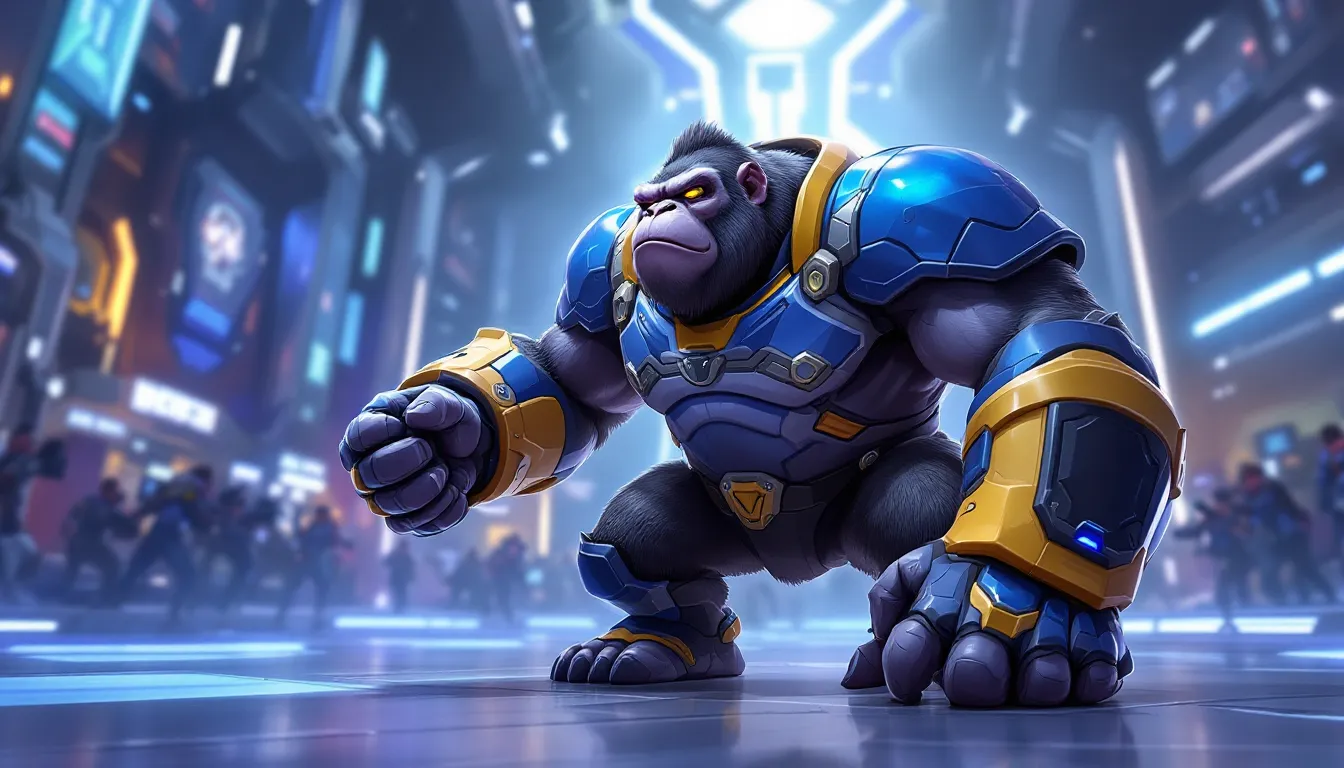
Winston’s Primal Rage transforms him into an unkillable brawler for a short window. He gains health, mobility, and cleave damage. It’s best used to create chaos, disrupt the enemy backline, or initiate fights when you have numerical advantage.
Mauga’s Cardiac Overload amplifies his damage output and survivability, rewarding aggressive positioning and close-range brawling. It’s a shorter-duration ult that demands immediate action.
Tank ultimates typically serve two purposes: initiation (taking the first fight with a powerful tool) or shutdown (responding to aggressive enemy plays). Knowing which is appropriate depends on your team’s positioning and the state of the fight.
Damage Hero Ultimates: Offensive Power and Burst Damage
Genji’s Dragonblade is the quintessential offensive ultimate. It reduces cooldowns and increases attack speed, turning him into a dueling machine. A skilled Genji with Dragonblade can secure 2-4 picks before it expires, snowballing the fight immediately. The key is timing, using it when enemies are grouped and isolated from their supports.
Tracer’s Pulse Bomb is a high-risk, high-reward tool. It’s a guaranteed one-shot to any squishy hero if stuck correctly, but missing is catastrophic. Pulse Bomb wins or loses fights on execution and positioning.
Widowmaker’s Infra-Sight is utility-focused. For 5 seconds, your entire team sees enemies through walls. The ult itself doesn’t deal damage, but the information advantage is immense. Coordinating with teammates while enemies are revealed is how you secure picks before the fight even starts.
Hanzo’s Dragonstrike fires arrows that travel in a line, dealing damage and pushing enemies back. It’s best used to flush enemies from defensive positions or zone high-ground control points. Proper timing can catch grouped enemies for massive value.
Soldier: 76’s Tactical Visor guarantees accuracy on hitscan weapons, making him extremely difficult to duel during the ult window. It’s not flashy, but it’s consistent and reliable for securing targets.
Bastion’s Configuration: Tank transforms Bastion into an armored cannon. The damage is significant, but Bastion’s immobility makes him vulnerable to focused fire. It’s best used behind cover or when your team can protect you.
Junkrat’s Rip-Tire is a remote-controlled explosive mine. It’s mobile, destroys barriers instantly, and deals massive area damage. The counterplay is straightforward, enemies can destroy it before detonation, but timing and placement can catch unsuspecting teams.
Pharah’s Barrage rains rockets on enemies, dealing severe area damage. Usage is risky: Pharah becomes predictable and immobile. Barraging from high ground or unexpected angles is key.
Damage ultimates are the primary win-condition tools. They create picks and eliminate threats quickly. The best damage players use ultimates to secure kills at critical moments, not just whenever they’re available.
Support Ultimates: Healing, Utility, and Team Enablement
Zenyatta’s Transcendence is arguably the most game-changing ultimate in Overwatch. It grants 8000 temporary healing to Zenyatta and nearby teammates while providing 300 DPS damage mitigation per second. Nothing says “we survive your ult” like a well-timed Transcendence. Pro players coordinate team ultimates specifically to bait out Transcendence, wasting it on a non-threatening fight.
Lúcio’s Sound Barrier grants a temporary 500-health shield to nearby teammates. The shield decays quickly, so it’s best used right before incoming burst damage. Early Barrier usage is wasted: delayed usage gets your team erased. Timing is everything.
Mercy’s Valkyrie transforms her temporarily, granting flight, faster healing/damage boost output, and reset of her resurrection cooldown. She can save a dying teammate and immediately damage boost the carry. Valkyrie enables aggressive plays and repositioning that would otherwise be impossible.
Brigitte’s Rally grants armor to nearby teammates and scales with her own health and armor. It’s straightforward, the more protected teammates become, the more you can push aggressively. Rally combos extremely well with tank ultimates that force enemies into grouped positions.
Moira’s Coalescence fires a beam that heals allies and damages enemies simultaneously. It’s a dual-purpose ult that lets her output healing while securing picks. Smart positioning (high ground, unexpected angles) makes it far more effective.
Ana’s Nano Boost amplifies a single teammate’s damage output by 25% and heals them for 250. The recipient becomes a threat multiplier. Nano-boosting a Reinhardt with Earthshatter ready or a Genji with Dragonblade queued creates unstoppable momentum.
Illari’s Captive Sun creates a zone where teammates gain healing over time. It’s area-focused, making it effective for defending choke points or securing high-ground positioning.
Support ultimates rarely secure kills directly. Their power lies in enabling your damage and tank players to succeed. A perfectly timed Nano Boost on your carry can turn a losing fight into a cleanup.
Strategic Ultimate Usage: Timing and Coordination
Initiating Fights with Ultimate Advantage
Having ultimate advantage, where your team has ultimates available and the enemy doesn’t, is the best position in Overwatch. The correct play is to force a fight immediately. Don’t wait for more picks or for ultimates to charge further. Press your advantage hard and fast before the enemy builds defensively.
The optimal initiation ult depends on your team composition. A Reinhardt Earthshatter combined with your team’s burst damage secures multiple picks instantly. A Winston Primal Rage into the enemy backline creates chaos and forces the enemy to retreat. A Genji Dragonblade with Zenyatta Discord Orb applied is nearly impossible to survive.
Timing matters immensely. The worst thing you can do is initiate while your team is split. Your main tank initiates an ult but your supports are 10 meters behind cover? You’re feeding. Coordinate with pings, comms, and positioning. When you’re about to use an initiation ultimate, cluster your team to capitalize on the chaos.
Defensive Ultimates: When and How to Counter
Defensive ultimates save fights that would otherwise be lost. Zenyatta’s Transcendence negates burst damage. Lúcio’s Sound Barrier prevents one-shots. Mercy’s Valkyrie lets a support reposition to healing teammates who’d otherwise die.
The challenge with defensive ultimates is that they’re reactive. An enemy presses their advantage, and you use your ult to survive. If you use defensively when the enemy has no offensive ult, you’ve wasted a resource. If the enemy has an offensive ult ready and you waste your defensive ult, they save it and beat you on the next fight.
Pro players predict enemy ultimate timings. If the enemy Genji has been farming damage for 20 seconds, his Dragonblade is coming soon. Start positioning defensively, keep your main tank in front, and prepare your support’s defensive tool. When Dragonblade does arrive, your team survives because you were prepared.
Ultimate Combinations: Synergies That Win Teamfights
Some ultimate combinations are nearly impossible to counter. These are the plays that define pro matches and climb ratings in ladder.
Nano Boost + Earthshatter: Ana boosts Reinhardt right before Earthshatter. The stun is guaranteed, the follow-up damage is amplified, and enemies melt instantly. This combo is the reason Ana/Reinhardt cores are meta in professional Overwatch.
Transcendence + Earthshatter: Zenyatta ults right before the enemy Reinhardt’s Earthshatter. His team survives the stun because of the healing over time and damage mitigation. The enemy team is now stunned with no followup damage, and your team retaliates freely.
Dragonblade + Discord Orb + Nano Boost: This is a Genji carry combo. Zenyatta discords a key target, Ana boosts Genji, and Dragonblade becomes unstoppable. Enemies can’t survive the burst. You see this in pro matches because it’s reliable and devastating.
Rally + Earthshatter: Brigitte ults before your tank initiates. The armor buff makes your team tankier during the push, and the guaranteed Earthshatter pickup is massive.
Valkyrie + Dragonblade: Mercy ults right after Genji uses Dragonblade. She can dance around his targets, healing and damage-boosting him to secure rapid kills. The mobility of Valkyrie keeps her safe while enabling Genji’s rampage.
The best combo players recognize synergies and communicate them to teammates. A good support player calls out “I have Rally ready” so the tank knows to initiate next fight. A good tank player knows his Ana’s Nano timings and sequences Earthshatter accordingly.
Building Ultimate Charge Efficiently
Maximizing Damage and Healing for Faster Ult Generation
Charge rate is directly tied to output. A Widowmaker dealing 200 damage builds ult slower than a Bastion dealing 400 DPS. Understanding your hero’s damage output and optimizing it is how you get more ultimates than your opponent.
For damage heroes, this means positioning for consistent high-damage angles. A Soldier: 76 shooting from cover into grouped enemies builds ult fast. One trading shots with a Widowmaker across the map charges slowly because he’s only hitting 25-30 damage per shot. Smart positioning = more damage = faster ult charge.
For supports, healing output matters. A Zenyatta standing around doing nothing charges ult painfully slow. A Zenyatta actively healing groupmates while dealing damage builds charge much faster. Mercy mains should be constantly healing or damage-boosting, never idle. Ana should land sleep darts and nails on targets, doing so grants ult charge faster than just spraying heals into grouped teammates.
Tank ultimate charge combines damage dealt and damage taken. A Reinhardt playing passively, holding shield without engaging, builds ult slowly. A Reinhardt actively swinging his hammer, trading blows, and pressuring enemies builds ult much faster. This incentivizes active play rather than passive defense.
Positioning and Resource Management
Ultimate generation is also about staying alive. A dead hero generates zero ult charge. Positioning safely, where you can still contribute but won’t get picked, is how you maintain consistent ult generation throughout the match.
High-value positions for each role differ. A DPS player should be on angles where they’re dealing damage safely. A tank should be where they can absorb damage productively. A support should be protected but still outputting healing. If you’re constantly dying, you’re resetting your charge at 0%, losing the ult you were building.
Resource management also means knowing when to reset. If you’re at 80% ult charge and the fight is obviously lost, dying and resetting to the next fight might be preferable to burning your ult on a losing cause. This sounds counterintuitive, but surviving with zero ult is worse than dying and respawning with time to build toward the next fight. Pros calculate this constantly, is using my ult here worth potentially losing the next fight because I’ll have no ultimate?
Common Ultimate Mistakes and How to Avoid Them
Wasting Ultimates on Lost Fights
This is the cardinal sin of Overwatch. Your team is down 2 players. The fight is unwinnable. And your support burns Transcendence trying to save everyone. Result: you lose the fight AND the next fight because you have no ultimate.
Pro players recognize lost fights instantly and disengage. If the enemy has a 2-man advantage and your backline is dead, there’s no amount of healing that saves you. A better play: retreat, regroup, reset for the next fight with ultimates charged. Burning resources on lost causes is how you lose matches.
The fix is simple: identify when a fight is lost early. Your main tank dies? Your supports are isolated? The enemy has ultimates and you don’t? Time to back off, reset, and play for the next fight. Recognize this and you’ll immediately climb ranks because you stop hemorrhaging ultimate resources.
Poor Timing and Predictable Usage Patterns
Some players ult the moment it’s available. They get Earthshatter? They’re using it immediately. This is predictable and easy to counter. Smart enemies will just walk away, knowing an ult is coming.
Better players stagger their ultimate usage. They’ll charge to 80%, then wait for the right moment to use. They’ll fake pressure to make enemies think an ult is coming, then hold it for the real fight. This unpredictability makes them harder to play around.
Patterns also form from habit. If you always ult when the enemy groups near the point, enemies learn this and cluster intentionally to waste your ult on non-critical moments. Vary your ultimate timing. Use it when enemies are split. Use it to secure high-value picks, not just to push the team forward.
Another mistake: using ultimates in sequence instead of combining them. Your tank ults, enemies respond, then your support ults. Compare that to: tank and support ult simultaneously, making it impossible to counter. Combined ultimates are exponentially stronger than sequential ones. Coordinate with your team to maximize this synergy. Many players climb significantly once they master combining ultimates with teammates rather than using them reactively.
Advanced Ultimate Plays: Pro-Level Strategies
Ultimate Bait and Counterplay Techniques
Pro teams often use a concept called ultimate baiting. Your team plays aggressively, making the enemy think a fight is starting. The enemy support burns their defensive ultimate. Then your team disengages and resets. Next fight, the enemy has no defensive tool and your team’s ultimates are charged. You’ve won ultimate economy without throwing resources.
The inverse is ultimate reading. Smart players predict when an enemy’s ult is coming based on damage dealt, healing output, and timing. If a Genji has been alive and dealing 150+ DPS for 20 seconds, his Dragonblade is likely within 10 seconds. Accordingly, you position your team defensively and prepare your counter.
Counterplay is recognizing which enemy ults are threats and which aren’t. A Widowmaker Infra-Sight is information, not direct damage. Your immediate counter isn’t a defensive ult: it’s repositioning to high ground or cover. A Pharah Barrage is direct area damage. That demands a defensive ultimate. Understanding this allows you to use resources efficiently.
Mid-Fight Ultimate Economy and Adaptation
Fights aren’t static. They evolve second by second. An excellent player adapts their ultimate usage based on what’s happening in real-time.
You’re at 95% ult charge and a teammate dies. Do you use your ult now to avenge them or save it for the next fight? If the enemy is low on players and numbers are balanced, using ult to secure picks might win the fight and the map. If the enemy has ultimates up and your team is weakened, saving and regrouping is smarter.
This is why watching professional Overwatch guides on sensitivity and positioning helps, pros constantly make these micro-decisions because they understand ultimate economy deeply. They’ve practiced it thousands of times.
Another advanced concept: ultimate denial during a fight. Your team is winning a teamfight 5v3. You could use your ult to secure the last 2 kills quickly. But your enemy has an ultimate ready. The smartest play might be to hold your ult, win with clean mechanics, and force the enemy to use their ult defensively on the next fight when you’re more prepared. This requires discipline but wins matches.
Pro players also recognize when they’re in a losing meta for ultimates. If the enemy composition hard-counters your team’s ult combinations, adapting might mean playing for picks in neutral and avoiding forced fights where enemy ultimates shine. Flexibility in ultimate usage, adjusting based on matchups and game state, separates high-ranked players from professionals.
Conclusion
Mastering ultimates in Overwatch isn’t about memorizing flashy plays. It’s about understanding the economy: when to generate charge, when to spend it, when to deny the enemy’s resources, and how to combine ultimates with teammates for maximum impact. Whether you’re grinding Quick Play casually or pushing for Grandmaster, these principles apply.
Start by focusing on one hero and understanding exactly how their ultimate works and when it should be used. Then learn to read enemy ult timings, predict when they’re coming and position accordingly. Once that’s second nature, layer in synergy plays with your team. Finally, develop the habit of identifying lost fights early so you stop wasting ultimates on unwinnable scenarios.
The gap between hardstuck players and pros isn’t aim or reaction time, it’s ultimate economy. Players who build faster, spend smarter, and combine effectively climb ranks consistently. Focus on this one skill and you’ll see immediate improvement in your win rate. Your competitive climb starts with ultimates.